Postponed, Rearranged, Cancelled: The Crucial Role of Sports Surfaces
When the athletes step out for a penalty kick or a tight scrum they demand precision. They invest in the best boots, gear, and training to make themselves the best they can be. But as groundskeepers, you know the hard truth: without the right surface underfoot, all those considerations count for nought.
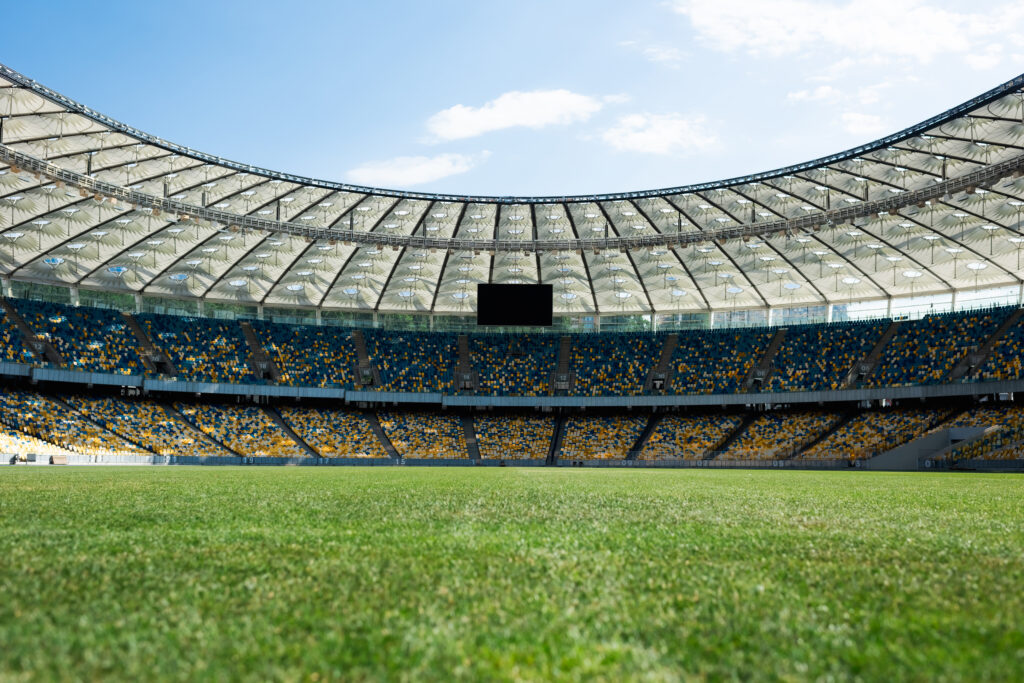
The state of pitches across the UK is a persistent challenge. A survey of 186 football clubs found that less than half (46%) rated their facilities as ‘good’ or ‘very good’. The knock-on effect is staggering: the English FA estimates that around 100,000 grassroots football matches are cancelled annually due to ‘poor pitches’.
It’s not just football that’s suffering. Rugby has also seen fixtures cancelled and postponed. Famously in 2022, the RFU had to ready emergency measures to tackle rock-hard playing surfaces that posed a serious risk of injury to players.
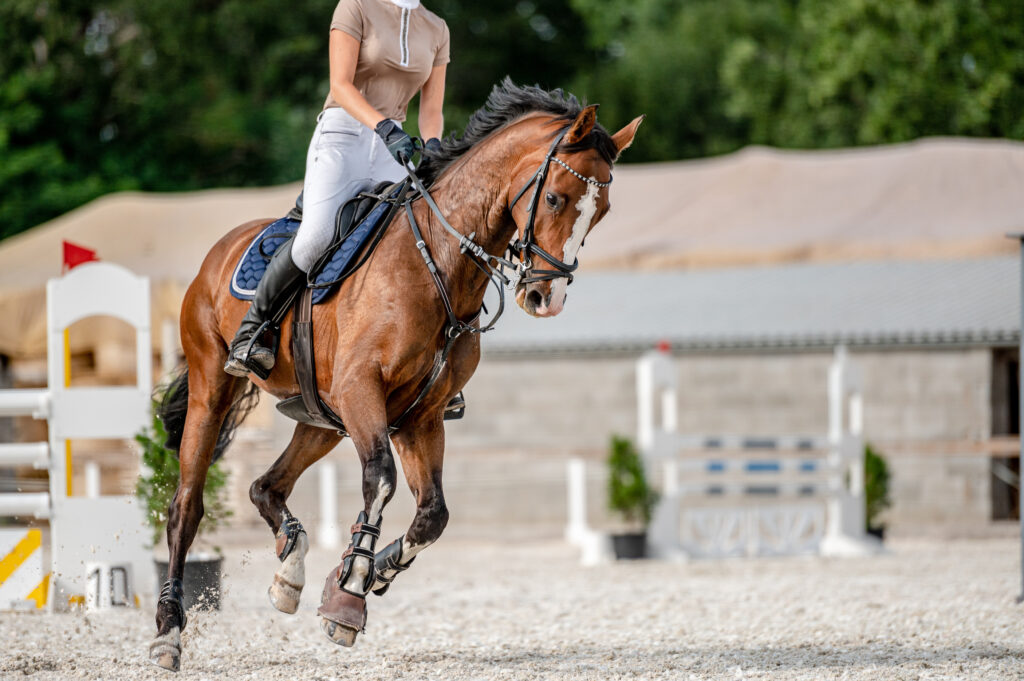
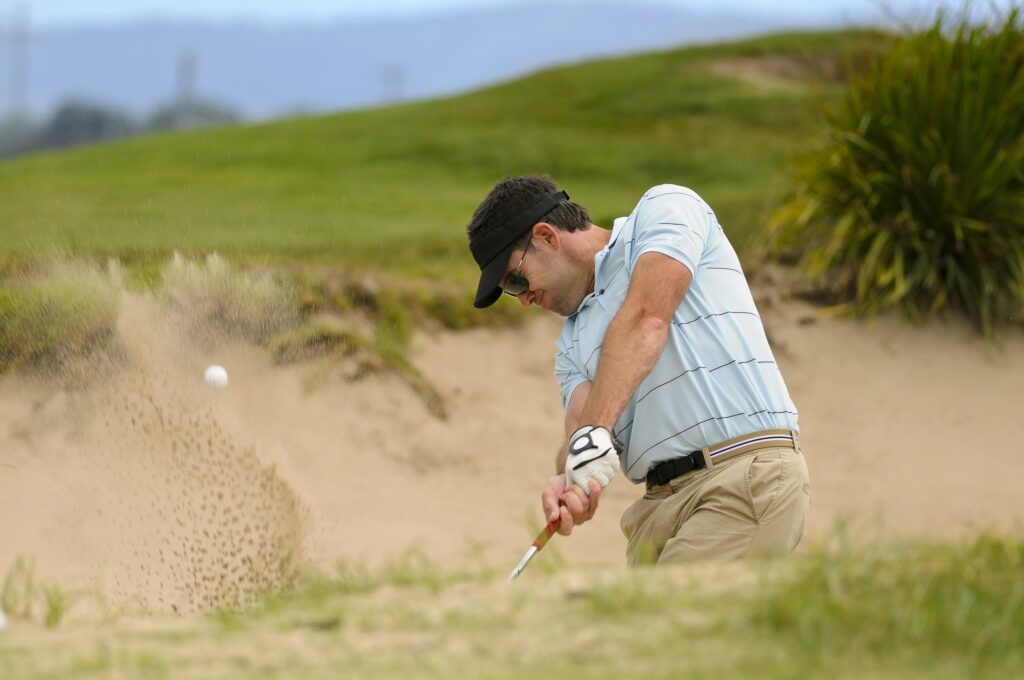
To put it simply, poor surfaces halt play at every level. From the local park to the professional stadium, whether it’s tennis, football, equestrian, or golf, a consistent, reliable, and safe surface is paramount. How do we, as the custodians of the turf, guarantee and encourage participation while ensuring what’s under the boot (or hoof) makes a positive impact?
The answer lies in the seemingly simple material we work with every day: specialist sports sand.

Understanding the Granular Difference
We know better than to underestimate sand. The sheer variety of gradings and grain shapes available on the market has a profound impact on a surface’s performance. The groundskeeper’s expertise, working alongside consultants, is vital in selecting the optimal blend for your specific facility and sport.
Consider the shape of the individual grain. Achieving the right balance between rounded, sub-rounded, angular, and sub-angular particles is critical. This balance dictates the rate of compaction, which is essential for giving the surface stability under force without compromising drainage performance. When we get this right, the resulting high porosities and excellent drainage allow healthy root growth to flourish, delivering the enviable playing surface players demand.
Unfortunately, many of the industry’s lessons have been learned through negative experiences—often the result of specifying or using the wrong type of sand. But by understanding the options, we can achieve the consistency and quality that leads to truly high-performance pitches.

Sourcing Quality Sports Sands
In an era where sand is becoming an increasingly valuable resource, partnering with a reliable, high-quality source is the first step.
At Holcim, our range of sports sands support performance at the granular level. We draw from some of the highest quality deposits in the industry, including our respected quarries at Fauldhouse, Scotland, and Leighton Buzzard, England. These sites supply industry-leading products like the acclaimed Levenseat and Garside sands.
Levenseat Specialist Sands has been a frontrunner for over half a century, producing high-performance sands and custom-designed rootzones for sports, equestrian, and construction markets. Every tonne benefits from an unparalleled production process, where every grain is washed four times to ensure exceptional cleanliness and consistency.
Similarly, Garside Specialist Sands has supplied over one million tonnes to the UK sports industry since 1985. Producing high-performance sands and custom-designed rootzones for sports, equestrian, and construction markets Their commitment to quality is evident in their duplicated consistency, which is meticulously tested three times daily, ultimately helping to extend the life expectancy of a variety of sports surfaces we manage.
These high-quality, proven sands remain a default material for synthetic sports carpets and natural turf alike, providing the foundation for durable, playable, and safe sports facilities across the nation.
Contact: stephanie.freeman@holcim.co.uk